Buyer Guides
Cat S and Cat N Write-Offs Explained: Should You Buy One?
Insurance write-off categories can be confusing — and sellers don't always volunteer the information. Here's exactly what Cat S, Cat N, Cat A, and Cat B mean, and what you need to know before buying a written-off vehicle.

Olivia
Vehicle Enthusiast, BuyCarCheck · 1 February 2026 · 6 min read
What is an insurance write-off?
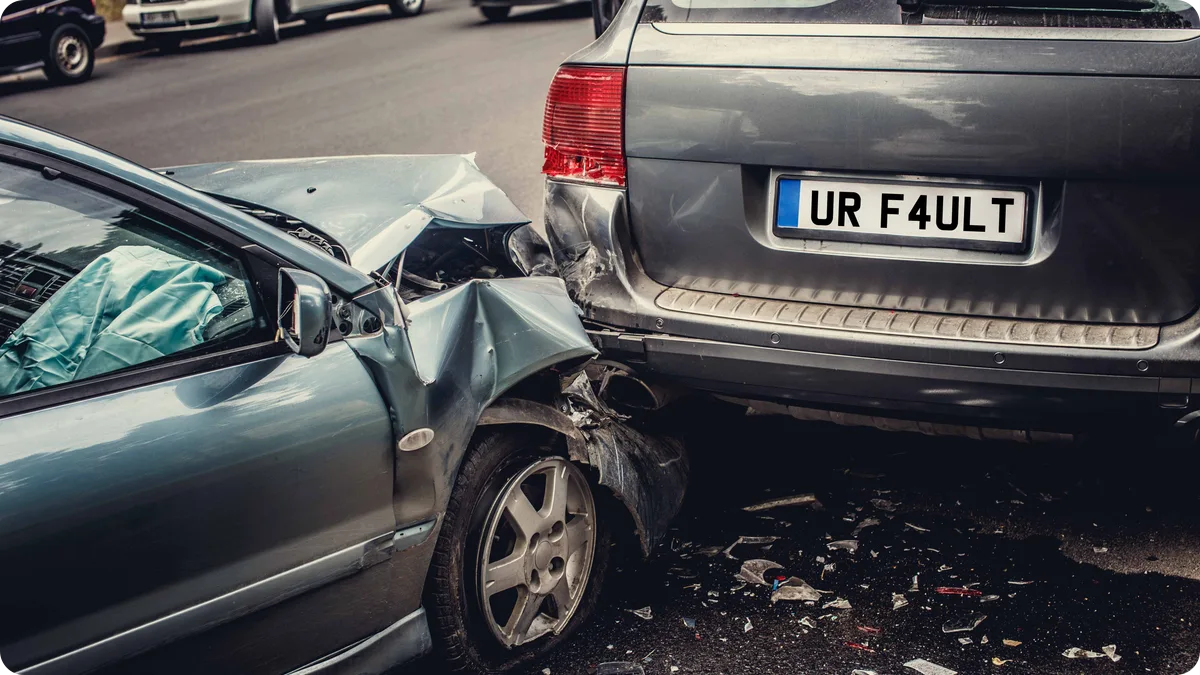
When a car is damaged — through an accident, flood, fire, or theft recovery — an insurance company assesses whether it's economical to repair. If the repair cost exceeds a threshold relative to the car's value (typically around 50–60%), the insurer declares it a total loss, or "write-off", and assigns it a category.
The write-off is recorded on a national register. The four categories used in the UK since October 2017 are A, B, S, and N — replacing the old A, B, C, D system.
The four UK write-off categories
Scrap only
The most severe category. The car must be crushed in its entirety — not even parts can be salvaged. Cat A vehicles should never appear on the road again.
Body shell crushed, parts can be salvaged
The body shell must be destroyed, but usable parts (engine, gearbox, etc.) can be removed and resold. A Cat B car should never be repaired and returned to the road.
Structural damage — can be repaired
The car has sustained structural damage (chassis, crumple zones, pillars). It can legally be repaired and returned to the road, but must be inspected before being re-registered with the DVLA.
Non-structural damage — can be repaired
No structural damage. Damage is typically cosmetic or electrical — airbag deployment, broken lights, damaged bodywork. Can be repaired and returned to the road without a DVLA inspection.
Not all write-offs are declared
If a car is repaired without going through an insurer — a common outcome for minor accidents — it may never be recorded on the write-off register. This is one reason why a clean history check is reassurance, not a guarantee. Be wary, especially if buying from private sellers.
Should you buy a Cat S or Cat N car?
Both Cat S and Cat N vehicles can legally be driven once properly repaired. They often sell at a significant discount — 20–40% below market value is common — which can represent genuine value. But the risks are real and need to be weighed carefully.
Potential advantages
- Significant discount on purchase price
- Cat N damage is often cosmetic only
- Some Cat S repairs are straightforward and safe
- Lower depreciation from a lower base price
Risks to consider
- Higher insurance premiums — some insurers won't cover write-offs
- Harder to sell on — lower resale value
- Structural repairs on Cat S may be substandard
- Airbags and safety systems may not have been properly reset
What to do before buying a Cat S or Cat N car
- 1Run a full vehicle history check to confirm the category and see the full record
- 2Get a full independent inspection from a qualified mechanic — not the seller's mechanic
- 3For Cat S, ask for documentation of the structural repair and who carried it out
- 4Get insurance quotes before buying — not all insurers will cover a write-off
- 5Check the DVLA registration certificate (V5C) — Cat S cars must be re-registered after repair
- 6Factor the write-off history into your price negotiation — it will affect resale value
How to check if a car is a write-off
There is no free government check for write-off status — unlike MOT and tax, this data is held by private insurers and recorded with commercial data providers such as CUE (Claims and Underwriting Exchange).
A paid vehicle history check from BuyCarCheck, HPI, or Experian will search these databases and return any recorded write-off markers including category, date of loss, and insurer.
Found this useful?
A £4.99 check could save you thousands
Run a free basic check, or save money with a bundle — check three cars for just £11.99
Check before you buy
Finance · Write-off · Stolen · Keeper history