Car Ownership
The Oil Crisis and Your Car: How to Cut Fuel Costs Right Now
Ongoing geopolitical conflict has kept global oil prices volatile and UK pump prices painfully high. Here's a practical guide to making your car work harder and spending less every time you fill up.

Ricki Angel
Founder, BuyCarCheck · 31 March 2026 · 7 min read
Why fuel prices are still high
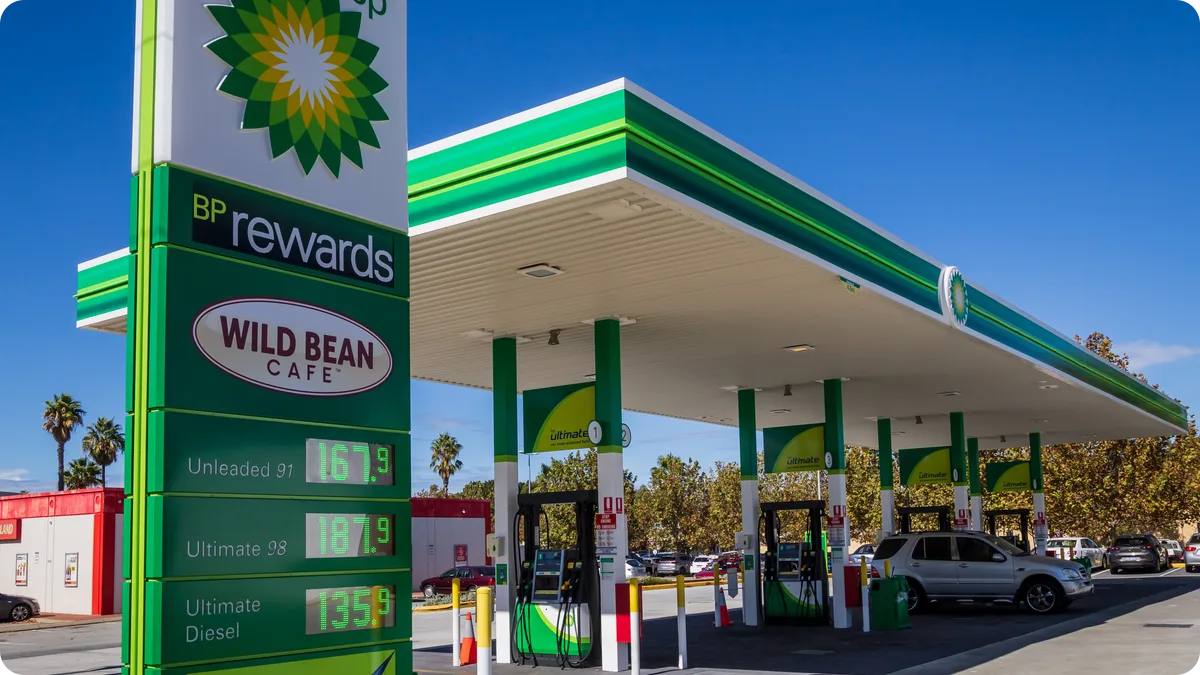
The war in Ukraine fundamentally reshaped global energy markets. Russia, historically one of the world's largest oil and gas exporters, had its supply disrupted by sweeping Western sanctions. European nations scrambled to secure alternative sources, driving up demand — and prices — across global benchmarks including Brent crude.
Compounding this, sustained tensions across the Middle East — a region responsible for roughly a third of global oil supply — have introduced persistent uncertainty into futures markets. When traders are nervous, the oil price rises. When the oil price rises, it feeds directly into what you pay at the pump within days.
UK drivers have absorbed these shocks heavily. Despite a modest easing from the 2022 peaks, unleaded petrol and diesel prices remain well above the long-run average. For many households, fuel is now the second or third largest monthly cost after housing and food.
How the oil price reaches your tank
The pump price you pay is made up of several components. Understanding them helps you see where the real costs lie — and why pump prices don't always fall as fast as they rise.
| Component | Approx. share of pump price |
|---|---|
| Crude oil cost | ~35% |
| Fuel duty (frozen since 2011, but substantial) | ~35% |
| VAT at 20% | ~17% |
| Refining, distribution & retail margin | ~13% |
Note: duty and VAT are fixed costs regardless of crude price — meaning when crude falls, the percentage saving to the consumer is smaller than you might expect.
The RAC's "rocket and feathers" problem
The RAC has repeatedly highlighted that UK fuel retailers are quicker to raise prices when wholesale costs go up than they are to pass savings on when they come down. If you notice prices at your local forecourt lagging behind the wholesale drop, use a price comparison app to find cheaper fuel nearby.
Economical driving techniques
How you drive has at least as much impact on fuel consumption as the car you drive. These techniques are collectively known as "eco-driving" or "hypermiling" — and the savings are real.
Anticipate and coast
Up to 15% improvementLook further ahead and lift off the accelerator early when approaching junctions, roundabouts, and traffic. Modern fuel-injected cars use virtually zero fuel when coasting in gear — far less than braking and re-accelerating.
Drive at 60mph not 70mph on the motorway
10–15% improvementAerodynamic drag increases with the square of speed. Dropping from 70mph to 60mph can improve fuel economy by 10–15%. The time cost on a 100-mile journey is about 14 minutes.
Change up gears earlier
5–10% improvementFor petrol cars, aim to change up by 2,500rpm — 2,000rpm for diesel. Running at lower revs in a higher gear reduces fuel consumption significantly in urban driving.
Switch off when stationary
Up to 8% in urban drivingAn idling engine burns fuel for zero progress. If you're stationary for more than 30 seconds — at a level crossing, in a queue — switch off if it's safe to do so. Most modern cars have stop-start for exactly this reason.
Reduce unnecessary weight
1–3% improvementEvery 50kg of extra weight increases fuel consumption by roughly 1–2%. Remove roof boxes, bike racks, and boot clutter when not in use.
Car maintenance that cuts fuel costs
A poorly maintained car can be 20% less fuel-efficient than the same car in good condition. These checks cost little or nothing.
Tyre pressure
Underinflated tyres increase rolling resistance. Check monthly — correct pressure is in the door sill or manual, not the tyre wall.
Air filter
A clogged air filter starves the engine and increases fuel consumption. Replacement costs around £15–£25.
Spark plugs
Worn plugs cause misfires and inefficient combustion. Replace at the service interval — usually every 30,000–60,000 miles.
Engine oil
Use the manufacturer-specified viscosity. Thicker oil than recommended creates unnecessary drag inside the engine.
Wheel alignment
Misaligned wheels create drag and uneven tyre wear. A £40 alignment check can save fuel and extend tyre life.
Air conditioning
AC adds 5–10% to fuel consumption. Use it sparingly — below 40mph, opening a window is more efficient.
Smarter journey planning
- 1Combine errands into a single trip — a cold engine uses significantly more fuel in the first few miles
- 2Use a fuel price app (Petrol Prices, GasBuddy) to find the cheapest forecourt near your route — not a detour to save 2p/litre
- 3Use supermarket loyalty fuel discounts — Tesco and Sainsbury's Nectar can meaningfully reduce the effective price per litre
- 4On long motorway journeys, cruise control maintains a more consistent speed than human input and typically saves 5–7%
- 5Avoid peak-hour traffic where possible — stop-start driving in congestion is the least efficient driving mode
Is now the time to switch to electric or hybrid?
The economics of electric vehicles have shifted considerably. With petrol above 130p/litre and electricity (even at current higher rates) costing the equivalent of roughly 30–50p/litre in fuel terms for home charging, the running cost gap is real and substantial.
A hybrid is a reasonable middle ground if your driving is a mix of urban and longer trips — you won't need to plan charging, but you'll get meaningful MPG improvements in stop-start traffic where the electric motor does more of the work.
Petrol
~14p/mile
At 130p/litre, 40mpg
Hybrid
~9p/mile
At 130p/litre, 60mpg typical
Electric
~3–5p/mile
Home charging at 24p/kWh
* Estimates only. Actual costs vary by vehicle, driving style, and energy tariff.
Buying a used car? Check what you're actually getting
If the fuel crisis is prompting you to switch cars, make sure you know what you're buying. Real-world fuel economy can vary significantly from manufacturer figures — and a car with a clocked odometer or hidden write-off history will rarely live up to its advertised MPG.
Found this useful?
A £4.99 check could save you thousands
Run a free basic check, or save money with a bundle — check three cars for just £11.99
Check before you buy
Finance · Write-off · Stolen · Keeper history