Buyer Guides
Plate Cloning: When Someone Else's Fines Start Arriving for "Your" Car
First it's a bus lane fine from a city you've never visited. Then a parking penalty from 200 miles away. Then a speeding prosecution for a night your car never left the drive. Somewhere out there is a twin — same model, same colour, wearing a copy of your plate — and everything it does lands on you. Plate cloning has two victims: the keeper drowning in fines, and the buyer who eventually pays thousands for the clone itself. Here's how not to be either.

Olivia
Vehicle Enthusiast, BuyCarCheck · 21 July 2026 · 8 min read
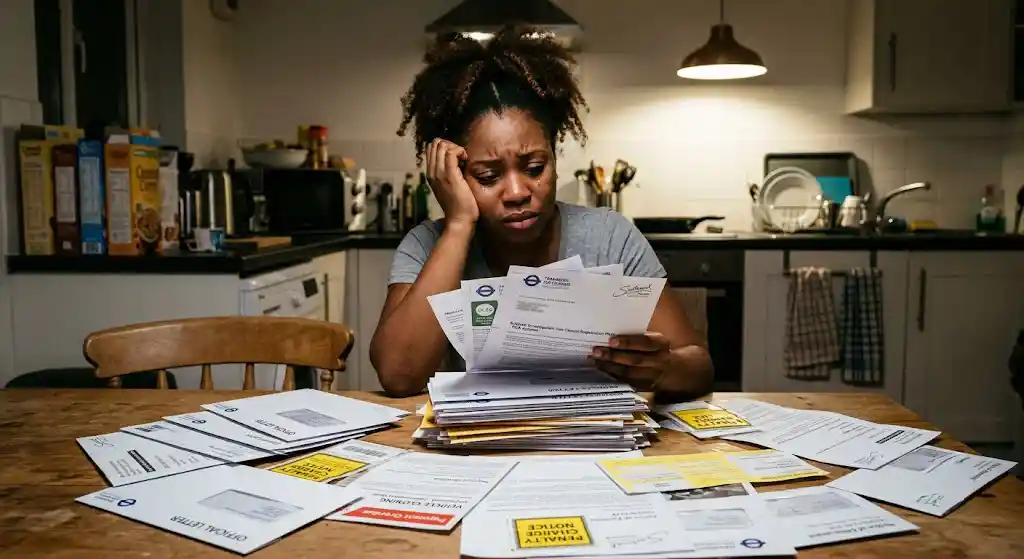
The first letter looked like a mistake. A bus lane fine from a city she hadn't visited — my friend Ola turned it over at her kitchen table, laughed, and put it in the “sort out later” pile. The second letter was a parking penalty from a retail park 200 miles away. The third was worse: a Notice of Intended Prosecution for speeding, on a road she'd never driven, at 11pm on a night her little hatchback was parked outside her house — where it is every single night.
Somewhere out there was a second car. Same make, same model, same colour — wearing a copy of her number plate. Every camera it sailed past, every fine it collected, every tank of fuel it drove off without paying for landed on the innocent woman whose only mistake was owning a popular car in a common colour. That's plate cloning, and it's the identity theft nobody warns you about.
How your car gets a twin
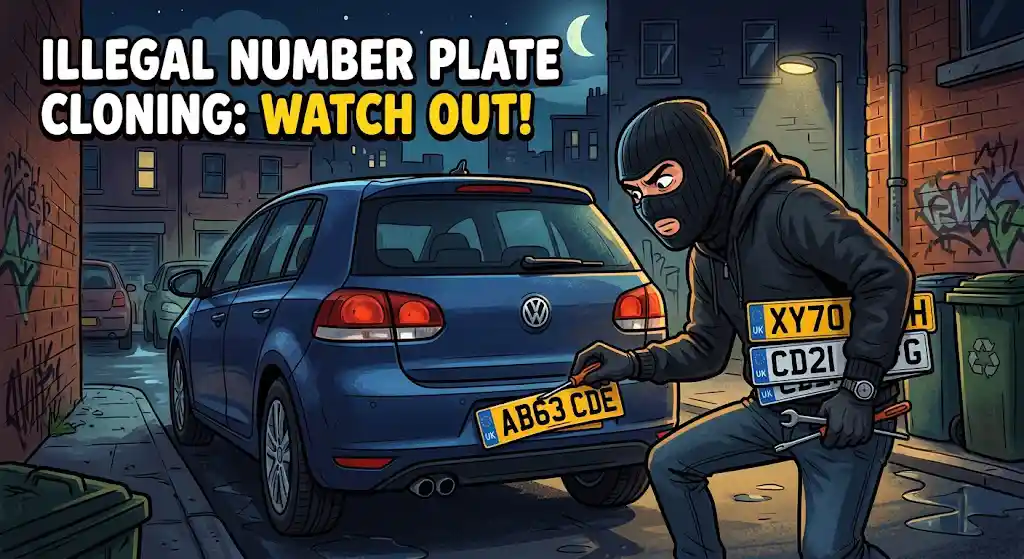
Cloning is depressingly simple. Someone with a car to hide — usually stolen, sometimes just uninsured — finds a legitimate car that matches theirs: same model, same colour, similar year. They lift the registration from a listing photo, a dashcam video, or simply by walking past it in a car park. A dodgy online plate-maker prints the copy without checking entitlement, and from that moment there are two “identical” cars on the road — one legal, one wearing it as a disguise.
The clone now inherits the innocent car's clean identity: its tax, its MOT, its unremarkable ANPR profile. And the innocent keeper inherits everything the clone does. It's a one-way swap — they get your reputation, you get their consequences.
When someone else's fines start arriving
First: do not pay a single penny “to make it go away.” Paying is an admission, and it teaches the system the fines are reaching the right person. Instead, work through this list — calmly, in writing, keeping copies of everything:
Report it to the police — get a crime reference number
Call 101 (or report online) and tell them you believe your plate has been cloned. That crime reference number becomes your master key: every appeal, every letter, every dispute leans on it.
Tell the DVLA
Write to the DVLA explaining the cloning, quoting the crime reference. They flag the record, which helps when the clone's activities generate yet more paperwork in your name.
Appeal every fine — never just pay it
Respond to each penalty in writing: your car was elsewhere, here's the crime reference, here's the evidence. Issuers deal with cloning constantly and most cancel quickly when the paper trail is solid.
Build your alibi file
Dashcam footage with timestamps, parking apps, work rotas, Ring doorbell clips of the car sitting innocently on the drive. Boring evidence wins these arguments — collect it once and reuse it for every notice.
Consider new plates — and guard the photos
In persistent cases you can apply to change the registration. And whenever you sell a car, think twice about posting crystal-clear plate photos — it's exactly where cloners go shopping for identities.
The part nobody prepares you for
A cloned plate can mean being pulled over — sometimes firmly — because the twin car just drove away from a petrol station without paying. If it happens, stay calm, keep your hands visible, and let the officers work through it. Your alibi file and crime reference number turn a frightening stop into a ten-minute conversation. This is why step one matters so much: the report has to exist before the roadside does.
The other victim: the person who buys the clone
Because here's the truly cruel part — cloning has two victims. The keeper drowning in fines, and the buyer who eventually hands over thousands for the clone itself. Buy a cloned car and you've bought a stolen car wearing makeup: when it's discovered, the police recover it for the true owner, and you lose the car and every penny you paid. No insurance policy, no receipt, no amount of good faith gets it back.
As a woman I'm already careful about viewings — I take someone with me, I meet in daylight, I trust my gut about people. Cloning adds a rule to that list that has nothing to do with instinct, because a cloned car feels completely normal. The seller is charming. The car drives beautifully. The history check comes back clean — because you're checking the innocent twin's history. The only way to catch it is to check the things the cloner can't fake:
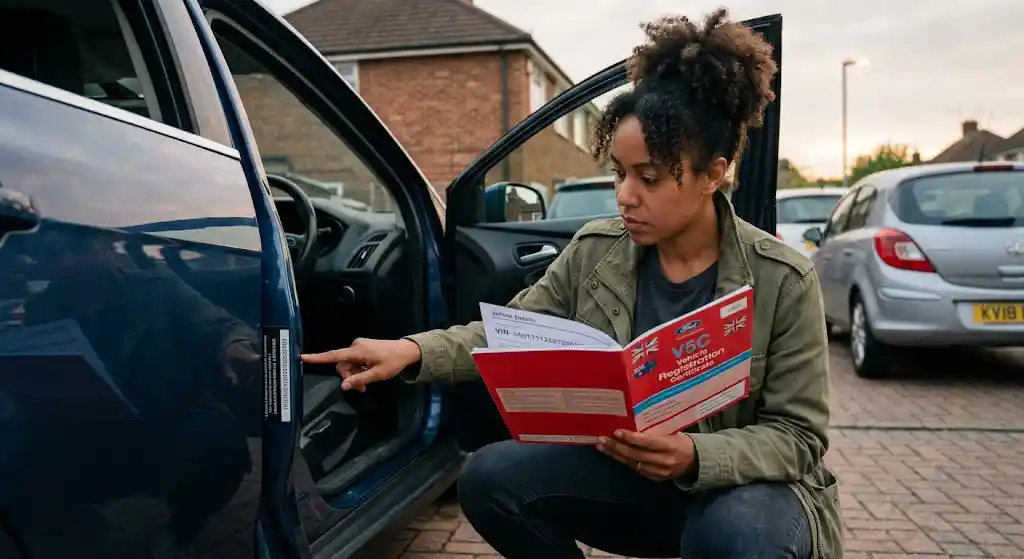
Match the VIN to the V5C — in person
The plates are copied; the VIN is not. Check the plate at the base of the windscreen, the sticker in the door frame, and the stamp under the bonnet against the V5C. Any mismatch, any tampering, any "the sticker fell off" — leave.
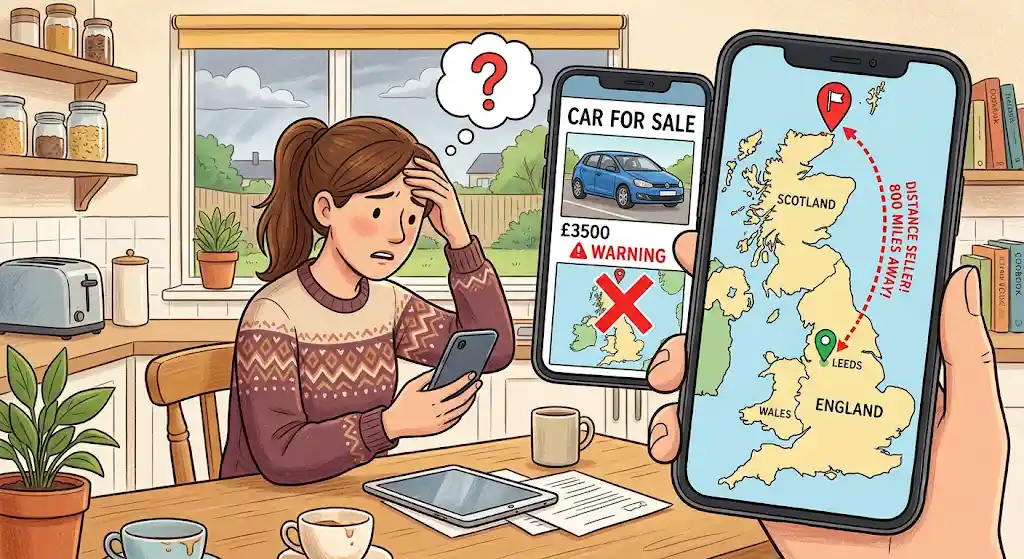
Buy at the registered keeper's address
The V5C shows the keeper's name and address. Be standing at that address, watching that person hand you those keys. Clone sellers want car parks, lay-bys and "I'll meet you halfway". Real owners have driveways.
Be suspicious of the too-kind price
Cloned cars are priced to sell fast — typically noticeably under market, "because I need it gone this week". You know what the car is worth. A big discount is not luck; it's bait.
Check the history — then check it matches the car
Run the plate, then read the report against the metal in front of you: colour, fuel type, engine size, MOT dates against the wear you can see. A clone borrows a plate but can't borrow the car it belongs to — the details drift, and drift is your alarm bell.
Where the check earns its keep
A BuyCarCheck report gives you the car's official identity in black and white — make, model, colour, engine, fuel, MOT history, plus stolen markers, write-offs, finance and keeper history on the £4.99 full check. Against an honest car, it confirms the deal. Against a clone, it hands you the mismatches: the “2019 diesel” on the drive that the data says is a 2018 petrol, the MOT mileage that doesn't fit the pedals in front of you. Read the report next to the car, not just before the trip.
The whole thing, on a napkin
Fines from places you've never been = act immediately
Police report first, DVLA second, appeal everything, pay nothing. The crime reference number is your shield for everything that follows.
Never pay a clone's fine to make it stop
It won't stop. It tells the system the fines are working.
Buying? The VIN is the truth, the plate is just clothing
Match VIN to V5C, buy at the keeper's address, distrust bargain prices with urgent sellers.
Check the history and read it against the metal
A clean report only protects you if the car in front of you is actually the car in the report.
Ola's story ended fine, eventually — a crime reference, a stack of appeal letters, and months later a police call to say the twin had been recovered wearing her plates. She got her name back. The person who'd unknowingly bought the clone got nothing. Two victims, one crime — and the only person who walked away untouched was the one who made the plates. Don't be victim number one if you can help it. Definitely don't be victim number two.
Found this useful?
A £4.99 check could save you thousands
Run a free basic check, or save money with a bundle — check three cars for just £11.99
Check before you buy
Finance · Write-off · Stolen · Keeper history