Buyer Guides
Back From the Dead: The Zombie Cars That Were Officially Scrapped — and Are For Sale Again
Every car eventually dies. Somebody signs the paperwork, the DVLA closes the file, and that should be the end of it. But every year, a few of the dead get back up — patched, re-plated and wearing a fresh coat of paint — and go looking for a buyer. This Halloween, here's how to tell a living car from a zombie before it follows you home.

Lefteris (Leebo)
Vehicle Enthusiast, BuyCarCheck · 22 October 2026 · 7 min read
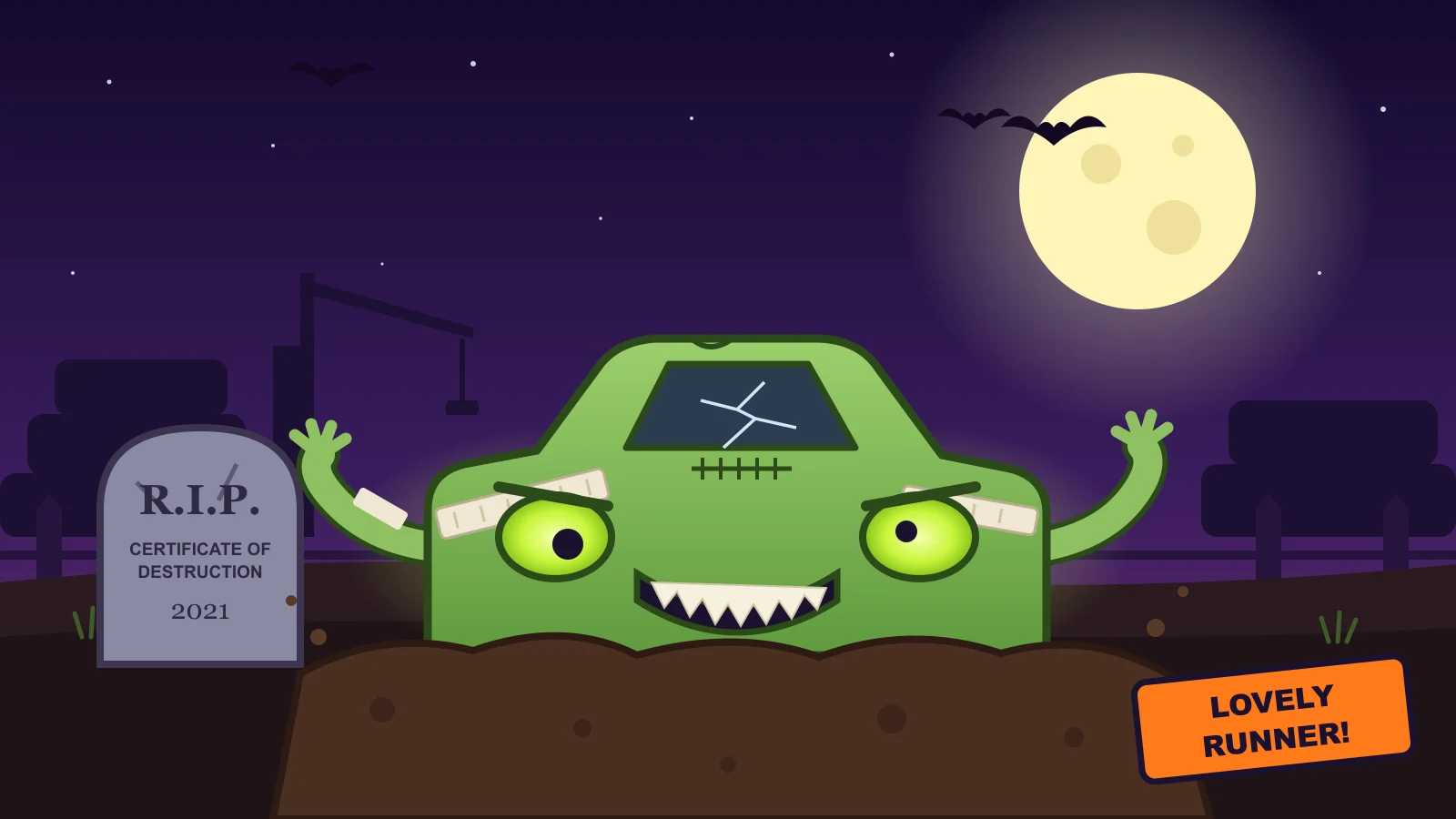
As we approach Halloween, it's not only the dead who appear to be walking the Earth. Some of them are spluttering along it on four wheels.
Let me tell you about a hatchback that died in the winter of 2021. Black ice, a roundabout, a lamp post that refused to move. The insurer took one look at the twisted floorpan, paid out, and stamped it Category B: the shell must be crushed, it must never drive on a British road again. It was towed to a salvage yard, its record was marked, and as far as the system was concerned, that car was dead.
Eighteen months later it was on a marketplace listing. “Lovely little runner, full MOT, new paint, priced to sell.” Same model, same colour code, a perfectly legal-looking plate. Nobody dug it up by accident. Somebody wanted it back, because a dead car is worth nothing and a living one is worth thousands.
It's Halloween, so let's call these what they are: zombie cars. Vehicles that were officially finished, whether crushed on paper, written off beyond repair, or exported for good, which have somehow shuffled back onto the used market. They're rarer than the dodgy-mileage motor or the car with hidden finance. But when you meet one, it bites hard.
How a car is supposed to die
In the UK, a car has a proper funeral. When it reaches the end of its life, it goes to an Authorised Treatment Facility (a licensed scrapyard), which drains the fluids, strips the parts and destroys what's left. The yard issues a Certificate of Destruction and tells the DVLA, and the vehicle record is closed. The logbook is finished. The identity is supposed to be buried with the metal.
Insurers have their own death certificate. If a damaged car is written off, it gets a category, and two of those categories are a death sentence:
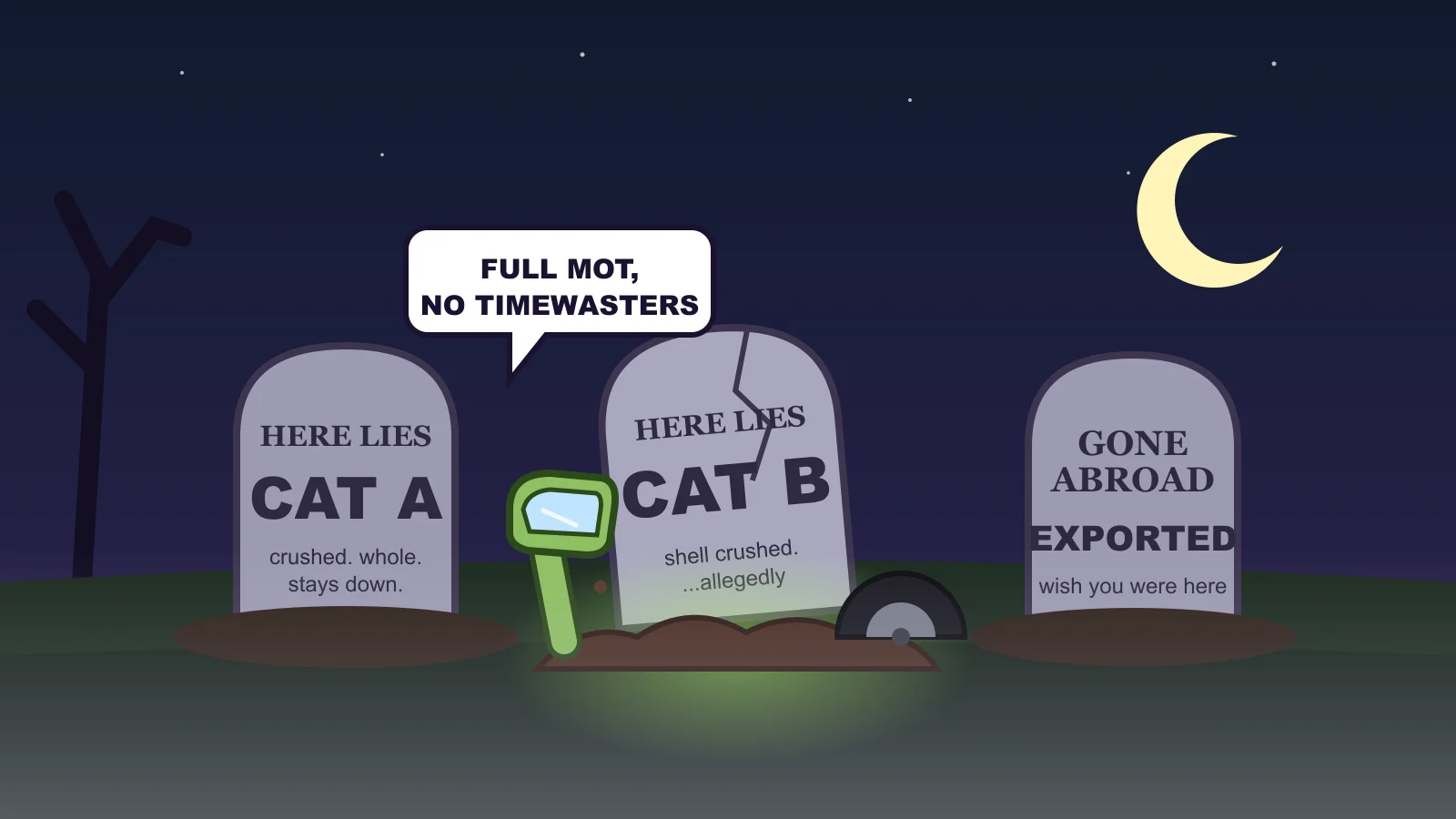
Cat A — Scrap
The whole vehicle must be crushed. Nothing gets salvaged. It never comes back.
Cat B — Break
The body shell must be crushed. Some parts can be reused, but the car itself can never return to the road.
Compare that with Cat S and Cat N, which can be repaired and legally driven again. We covered those in Cat S and Cat N explained. Those cars are wounded. Cat A and B cars are dead. And dead things are meant to stay down.
Four ways the dead get back up
Every zombie needs a reason to rise, and in this genre the reason is always money. These are the four you're most likely to run into:
The Resurrection: a Cat B shell, rebuilt anyway
The salvage yard sells parts from a Cat B car, but the shell that should have been crushed goes out the back door instead. Someone straightens it, paints it and offers it as a "minor scrape, fully repaired". The steel that crumpled once has lost its strength, and in a second crash it does the same thing, faster. The write-off marker is still on the record, so the seller is betting you won't look.
The Body Snatcher: a dead car's identity on a living one
Sometimes the corpse is useful only for its name. A scrapped car's identity, meaning its VIN plates and a logbook that was never handed back, is moved onto a stolen car of the same model. The stolen car now has a believable past, and the dead car seems to be driving around again. Buy it and you've bought stolen goods. When the police recover it, you lose the car and your money.
The Export Ghost: "gone abroad", yet parked down the road
Cars marked as permanently exported should no longer be in the UK. Some never leave. Others come back quietly and are sold on an old identity that the DVLA thinks is overseas. Once a car is marked for export, its British paperwork no longer matches where it really is, and that mismatch is where fraud hides.
The Sleeper: SORN for years, then suddenly "perfect"
Not every zombie is a crime. A car declared off the road (SORN) and left in a barn for six years isn't dead, just asleep. But it wakes up with perished tyres, seized brakes, rotten fuel and no MOT record covering the missing years. The seller can tell you any story about that gap, and you can't check any of it.
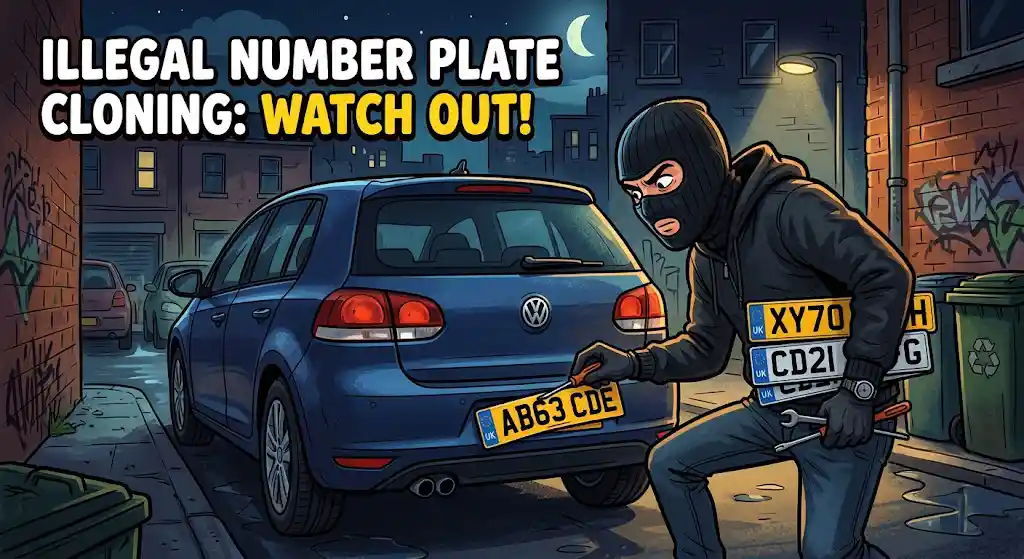
If the Body Snatcher sounds familiar, it's a close relative of the monsters in cut and shut and plate cloning. All three work the same way: a clean identity is used to hide a car with a bad past.
Signs you're looking at the undead
A zombie can look perfect, with fresh paint, a valeted interior and a seller who smiles a lot. Its paperwork is what gives it away. Here's where to look:
In the free check (30 seconds, no cost)
A gap in the MOT history
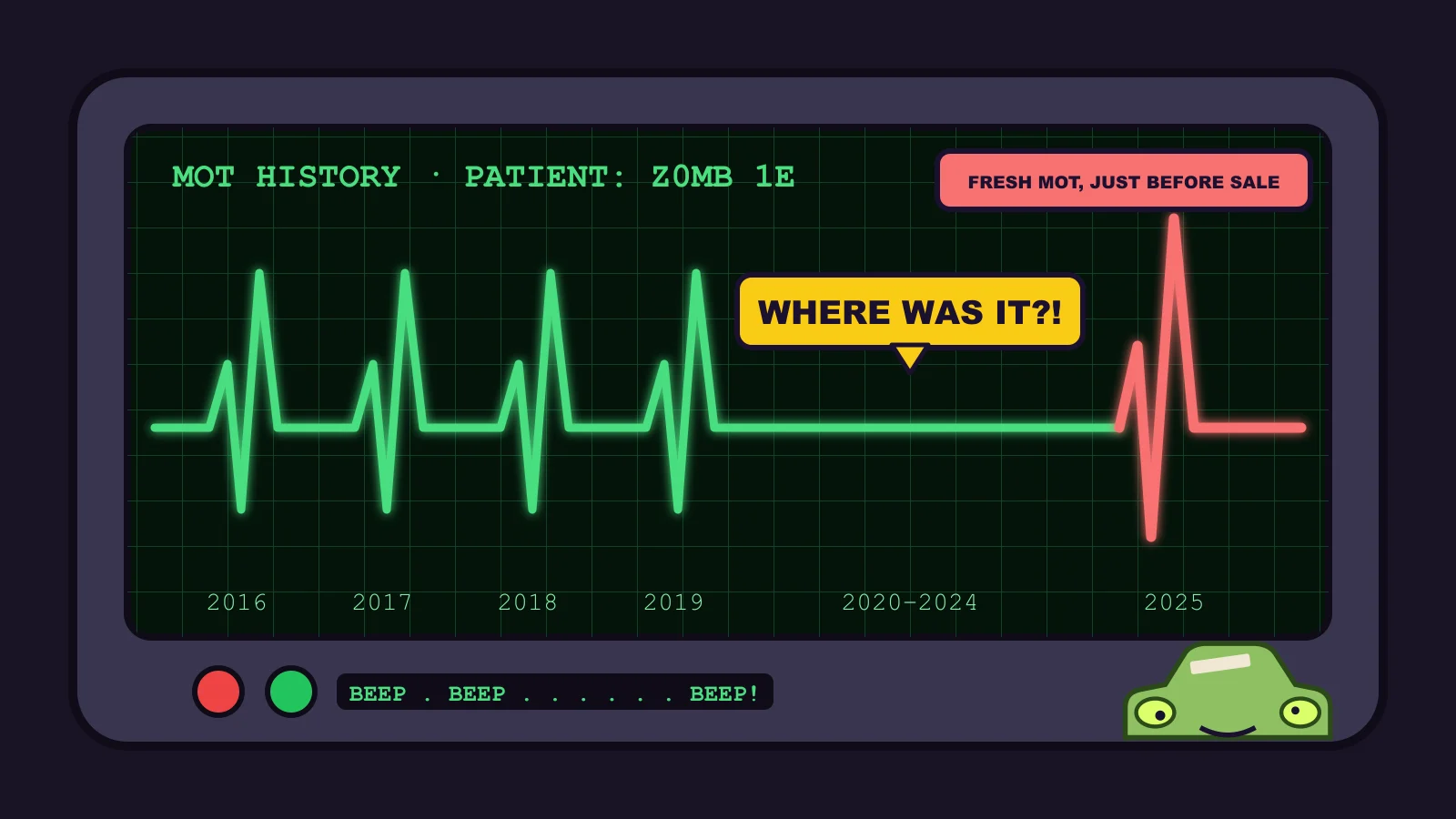
The MOT record is a heartbeat. Years of regular tests, then nothing for two, three or four years, then a brand-new pass shortly before the sale. Ask where the car was, and expect an answer you can check.
A logbook issued last week
The free check shows when the V5C was last issued. A brand-new logbook on an old car, just before it's listed, can be innocent (a lost document, a change of address). It's also exactly what a resurrected identity needs. Ask why.
Tax status that doesn't fit the story
"Daily driver, never off the road", yet it was SORN until a month ago? The story and the record should match. When they don't, believe the record.
Details that drift
Colour, engine size, fuel type and year of manufacture should match the car in front of you exactly. A body snatcher can borrow a name, but it can't always borrow the right paint.
In the full report
Write-off Category A or B: walk away, no exceptions
There's no "good" Cat B. If the full check shows Cat A or B on a car that's being sold to drive, the car shouldn't exist on the road. No discount makes it safe and no paperwork makes it legal.
Stolen markers
A body snatcher is usually a stolen car underneath. A police stolen marker on the record ends the viewing immediately.
Plate changes, colour changes and a crowd of keepers
One private plate is normal. Several plate changes, a colour change and a run of keepers in quick succession is how an identity gets laundered. Each change makes the trail harder to follow.
A VIC marker from the old days
Until 2015, seriously damaged cars had to pass a DVLA Vehicle Identity Check before going back on the road. A VIC record doesn't condemn a car, but it tells you it has been badly hurt before, so look much harder.
On the driveway
Check the VIN in three places
The base of the windscreen, the door-frame sticker and the stamping under the bonnet or carpet should all match each other and the V5C. Look for scratched rivets, glue, fresh paint around the plate, or a sticker that "fell off".
Check the logbook itself
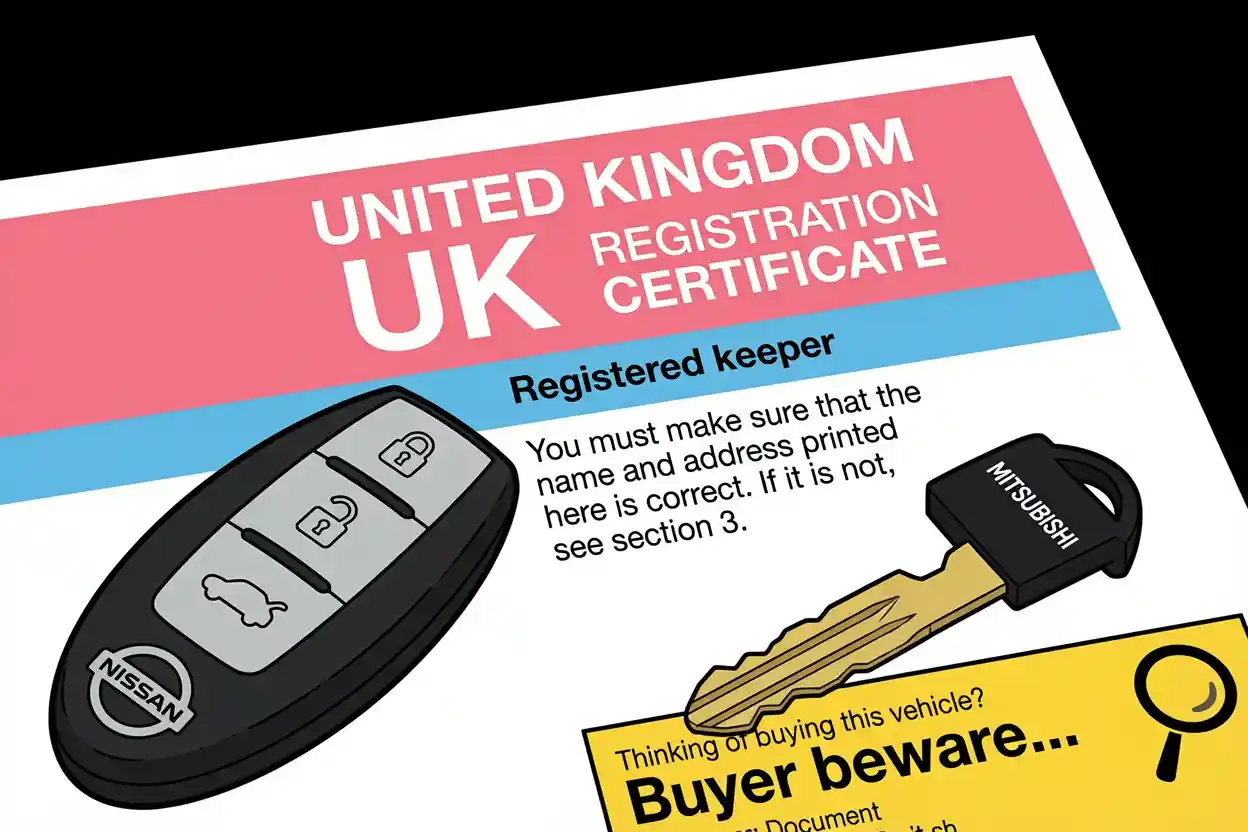
Hold the V5C up to the light and look for the DVLA watermark. The DVLA has warned for years that blank logbooks with serial numbers BG8229501 to BG9999030 and BI2305501 to BI2800000 were stolen. If yours falls in either range, stop.
Look for crash-repair scars
Uneven panel gaps, overspray on rubber seals, ripples you can see along the side of the car at an angle, and glass with different etched dates. One sign is a repaired knock. Several is a rebuild.
Count the keys
One aftermarket key with a story about losing the other is a classic stolen-car tell. A real owner usually has both keys, or knows exactly where the second one went.
The silver bullet
Start with a free BuyCarCheck. It shows the MOT heartbeat, the tax status, the logbook date and the car's official details in about thirty seconds. If anything looks off, the £4.99 full check brings up write-off categories, stolen markers, plate and colour changes and keeper history: everything a zombie hopes you'll skip. It costs less than a pumpkin and a bag of sweets.
If one has already followed you home
First, stop driving it if a Cat B rebuild is even a possibility. That isn't paranoia: the car's structure may not protect you in a crash. Then gather everything: the advert (screenshot it before it disappears), messages, the receipt, the V5C and the seller's details.
If you think the car is stolen or ringed, report it to the police on 101. If you were deceived, report it to Action Fraud too. If you bought from a dealer, the Consumer Rights Act 2015 gives you a short-term right to reject goods that aren't as described within 30 days, and a car that should have been crushed is about as far from “as described” as it gets. The Citizens Advice consumer helpline can walk you through it and pass the case to Trading Standards. Private sales give you fewer rights, but a seller who lies about a car's history can still be pursued for misrepresentation.
The whole thing, on a napkin
Cat A and Cat B cars are dead. Leave them buried.
If one is for sale as a car to drive, walk away. There are no exceptions.
Read the MOT heartbeat
Long gaps, sudden fresh passes and mileage that barely moved all need an explanation you can check.
A brand-new logbook on an old car needs a reason
Ask for it, and check the serial number against the stolen ranges.
The VIN is the soul. Check it in three places.
A zombie can wear a new plate and a new coat of paint, but it struggles to fake the same VIN everywhere.
Back to our hatchback from the winter of 2021. Somewhere out there it's still shuffling from listing to listing, freshly painted, waiting for a buyer who trusts a smile more than a record. Don't be that buyer. Check the plate, read the heartbeat, and remember the first rule of every zombie film: if something is supposed to be dead, don't take it home.
Found this useful?
A £4.99 check could save you thousands
Run a free basic check, or save money with a bundle — check three cars for just £11.99
Check before you buy
Finance · Write-off · Stolen · Keeper history